

Treatment Cost Guide
Bone Marrow Transplant
Bone Marrow Transplant (BMT), also known as stem cell transplant, is an advanced treatment used for blood cancers and serious blood disorders
✔ Trusted hospital options
✔ Estimate support available
✔ Specialist-led guidance
Estimated Cost
₹12,00,000 – ₹35,00,000
Get a Personalised Estimate
Share your treatment requirement and our team will help with estimate guidance and hospital options.
Why Choose India
Why patients choose India for this treatment
India offers access to experienced hematologists, specialised transplant centres, and advanced medical infrastructure. Many hospitals follow international treatment protocols and maintain strict infection control standards required for BMT procedures.
Patients benefit from comprehensive care, including diagnosis, transplant planning, donor coordination, and post-transplant monitoring. Compared to many countries, India provides high-quality treatment at a more affordable cost, making it a preferred destination for BMT.
Planning treatment in India?
Get expert guidance on hospitals, doctors, cost estimates, and travel support.
What is a Bone Marrow Transplant (BMT)?
A Bone Marrow Transplant (BMT), also known as a stem cell transplant, is a treatment used to replace diseased or damaged bone marrow cells with healthy stem cells. These healthy stem cells may come from the patient’s own body or from a suitable donor.
BMT is commonly used to treat blood cancers and disorders that affect the blood, immune system, or bone marrow function. It may be recommended for conditions such as leukaemia, lymphoma, multiple myeloma, blood diseases, immune deficiency disorders, and sickle cell disease.
If a bone marrow transplant fails or the disease relapses, doctors may consider additional treatment options such as induction chemotherapy or a second transplant. Early detection of relapse symptoms and timely medical support can improve treatment planning and outcomes.
Common Pre-BMT Tests
Before a bone marrow transplant, doctors perform several tests to assess the patient’s condition, donor compatibility, and transplant readiness.
| Test | Description | Purpose | Estimated Cost |
|---|---|---|---|
| Bone Marrow Biopsy and Aspiration | These procedures involve collecting a small sample of bone marrow tissue and fluid for evaluation. | Helps diagnose the underlying blood disorder and assess the condition of the bone marrow. | Included in pre-BMT evaluation cost |
| HLA Typing | HLA typing identifies the Human Leukocyte Antigen type of the patient and potential donor. | Helps find a close donor match, which is important for transplant success. | Included in pre-BMT evaluation cost |
Conditions Treated with Bone Marrow Transplant
Bone marrow transplant may be used to treat several blood-related and immune-related conditions. Common conditions include:
- Leukaemia
- Lymphoma
- Multiple myeloma
- Blood diseases
- Immune deficiency disorders
- Sickle cell disease
What are the Different Types of Bone Marrow Transplant?
The type of bone marrow transplant is usually decided based on the source of stem cells. There are two main types of BMT commonly performed in India.
| Type of BMT | Description | Estimated Cost in India | Estimated Cost in USD |
|---|---|---|---|
| Autologous BMT | In autologous BMT, stem cells are collected from the patient’s own body before high-dose chemotherapy or radiation treatment. After treatment, the stem cells are placed back into the patient’s body. | INR 8,15,000 to INR 10,00,000 | USD 15,000 to USD 18,000 |
| Allogeneic BMT | In allogeneic BMT, stem cells are collected from another person, usually a related or unrelated donor. This transplant requires donor matching through HLA typing. | INR 14,00,000 to INR 14,50,000 | USD 25,000 to USD 26,000 |
Types of Donors in Allogeneic BMT
In allogeneic transplant, the donor source plays an important role in treatment planning and cost. Donors may be related or unrelated, depending on compatibility.
| Donor Type | Description | Key Consideration | Cost Impact |
|---|---|---|---|
| Related Donor | A related donor is genetically connected to the patient, usually a sibling, parent, or child. | Siblings may have a higher chance of being a full match. Parents and children may also be donors, but complete match chances may be lower. | May reduce donor search-related expenses. |
| Matched Unrelated Donor (MUD) | A matched unrelated donor is not genetically related to the patient but has a close enough HLA match. | Donor matching may be done through national or international registries. | May increase overall cost due to donor search and registry charges. |
What Factors Affect the Cost of BMT in India?
The cost of Bone Marrow Transplant in India depends on the type of transplant, donor source, hospital infrastructure, treatment complexity, and complications. The patient’s age, hospital stay, doctor’s experience, and insurance coverage can also influence the final estimate.
| Cost Factor | Description | Impact on Cost | Notes |
|---|---|---|---|
| Type of Transplant | The cost varies depending on whether the patient undergoes autologous BMT, allogeneic BMT, or another transplant approach. | Major impact | Allogeneic transplant usually costs more due to donor matching and additional care. |
| Hospital | Hospital quality, transplant unit facilities, infection control standards, and specialised care infrastructure affect pricing. | High impact | Advanced hospitals with experienced teams may charge more. |
| Age of Patient | Younger patients and small children may need closer monitoring, additional testing, and longer hospitalisation. | Moderate to high impact | Paediatric cases may require more intensive care planning. |
| Hospital Stay | Patients usually spend several weeks in the hospital after the transplant. | High impact | Hospital stay may last around 3–4 weeks, depending on recovery and complications. |
| Complications | Infections, graft-versus-host disease, delayed recovery, or other complications may increase treatment needs. | High impact | Additional medicines, ICU support, or extended stay may increase total cost. |
Pre and Post Expenses in a Bone Marrow Transplant in India
Bone marrow transplant involves expenses before and after the main transplant procedure. These may include diagnostic tests, follow-up consultations, blood tests, kidney and liver function tests, and other monitoring requirements.
| Expense Type | Includes | Estimated Cost in India | Estimated Cost in USD |
|---|---|---|---|
| Pre-BMT Expenses | Bone marrow biopsy, bone marrow aspiration, HLA typing, and other diagnostic tests. | INR 1,25,000 to INR 2,00,000 | USD 2,500 to USD 3,500 |
| Post-BMT Expenses | Follow-up consultations, blood tests, KFT, LFT, CRP, and other diagnostic tests. | INR 65,000 to INR 1,00,000 | USD 1,200 to USD 1,800 |
What is Involved in the Recovery Process After BMT?
Recovery after a Bone Marrow Transplant is gradual and can vary based on the type of transplant, patient health, response to treatment, and any complications. Patients need close monitoring during and after hospitalisation.
| Recovery Area | Description | Why It Matters | Follow-up Need |
|---|---|---|---|
| Monitoring | Patients are monitored for infection, graft-versus-host disease (GVHD), and other complications during hospital stay. | Helps detect complications early. | Required throughout recovery. |
| Immune System Recovery | Rebuilding the immune system is a critical part of BMT recovery. | Patients are more vulnerable to infections during this period. | May take several months to years. |
| Medications | Patients may need immunosuppressants and other medicines to support recovery and prevent complications. | Helps reduce risk of GVHD and infection. | Doctor-guided medication plan is essential. |
| Diet and Nutrition | A healthy diet supports healing, especially when patients face nausea, diarrhoea, mouth sores, or weakness. | Improves strength and recovery. | Diet plan may need regular adjustment. |
| Follow-up Appointments | Regular follow-ups help track recovery, manage complications, and adjust medicines. | Essential for long-term transplant success. | Frequent follow-ups are required after discharge. |
Does Insurance Cover BMT in India?
Some health insurance plans may cover Bone Marrow Transplant and related expenses such as hospitalisation, chemotherapy, and other treatment-related costs. However, coverage depends on the policy terms, waiting periods, exclusions, and the insurer’s approval process.
Basic insurance plans may not cover the entire treatment cost, but they may cover certain expenses such as hospital stay to some extent. Before planning treatment, patients should check policy coverage, claim limits, exclusions, and required documentation.
| Requirement | Description | Why Needed | Who Provides It |
|---|---|---|---|
| Doctor’s Prescription | Medical recommendation for BMT and related treatment. | Supports insurance claim approval. | Treating doctor |
| Investigation Reports | Reports such as diagnostic tests, biopsy, blood tests, and other medical records. | Helps insurer verify medical need. | Hospital / diagnostic centre |
| Admission Form | Hospital admission documentation. | Required during claim processing. | Hospital |
| Health Insurance Papers | Policy documents and claim forms. | Needed to submit the claim. | Patient / insurance provider |
What Affects Cost
Factors that influence treatment pricing
The type of transplant is the most important factor affecting cost. Autologous transplants are usually less expensive, while allogeneic and haploidentical transplants require donor matching, additional testing, and specialised care, increasing the cost.
Other factors include hospital facilities, duration of stay, ICU requirements, medicines, donor search and testing, and post-transplant care. The patient’s condition and recovery period also influence the overall cost.
Treatment Scope
What is included and excluded
Inclusions
- Doctor consultation and transplant planning
- Pre-transplant evaluation and diagnostic tests
- Stem cell collection or donor coordination
- Chemotherapy or conditioning treatment
- Transplant procedure
- Hospital stay including isolation unit
- Medicines during hospital stay
- Basic post-transplant monitoring
- Follow-up consultation
- Travel and accommodation
Exclusions
- Donor registry and search charges (if required)
- Extended hospital stay beyond package
- Post-discharge medicines and long-term care
- Treatment for complications beyond initial plan
- Blood products if not included
- Personal expenses
- Emergency care not related to treatment plan
How Zinek Helps
Support at every step of the journey
01
Share Reports
Tell us your treatment need and share available reports or preferences.
02
Get Estimate Direction
Receive treatment estimate guidance based on suitable options.
03
Compare Hospitals
Review hospital choices and treatment pathways more clearly.
04
Move Forward with Support
Get help with the next step, coordination, and treatment planning.
Hospitals
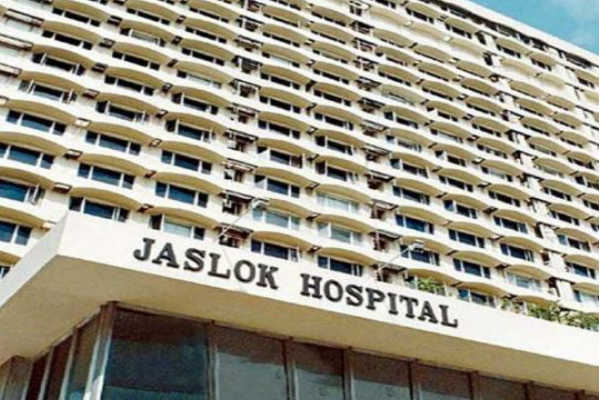
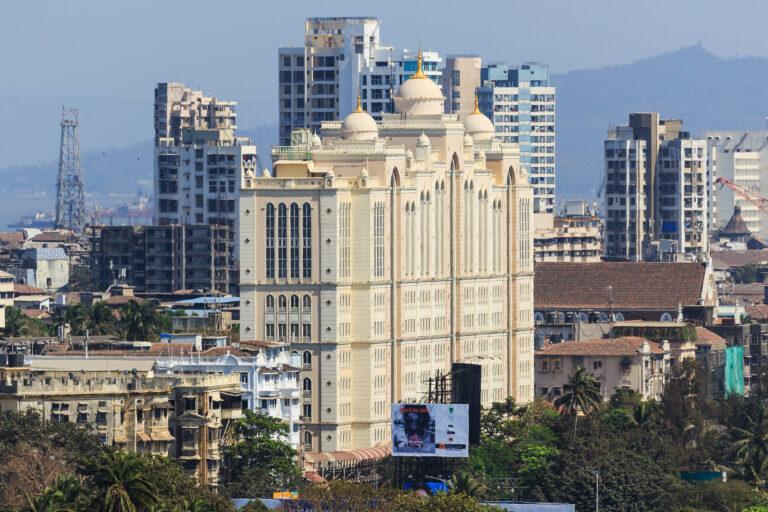
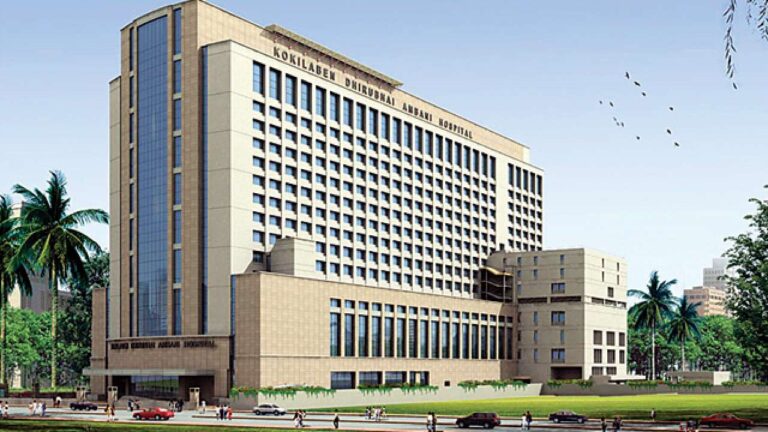
Related hospitals offering Bone Marrow Transplant


Treatment Details
More about this treatment
Bone Marrow Transplant is a medical procedure used to replace damaged or diseased bone marrow with healthy stem cells. It is commonly recommended for conditions such as leukemia, lymphoma, multiple myeloma, aplastic anemia, thalassemia, and certain immune system disorders.
There are different types of BMT based on the source of stem cells. In autologous transplant, the patient’s own stem cells are used. In allogeneic transplant, stem cells are taken from a donor. In some cases, a haploidentical transplant is performed using partially matched donor cells, often from a family member.
The procedure involves several stages including pre-transplant evaluation, conditioning therapy (chemotherapy or radiation), stem cell infusion, and recovery monitoring. Patients are treated in specialised units with strict infection control to ensure safety during the recovery phase.
India has become a preferred destination for BMT due to the availability of experienced hematologists, advanced transplant facilities, and structured treatment protocols. Patients receive personalised treatment plans based on their condition, donor availability, and overall health.
Recovery after a bone marrow transplant may take several weeks to months. Continuous monitoring, medications, and follow-up care are essential to ensure successful engraftment and reduce complications.
Need immediate help?
Talk to our team directly if you want faster support on your treatment estimate request.